US Embassy in Kuwait Warns of Ongoing Missile and Drone Threats
US Embassy in Kuwait Warns of Ongoing Missile and Drone Threats
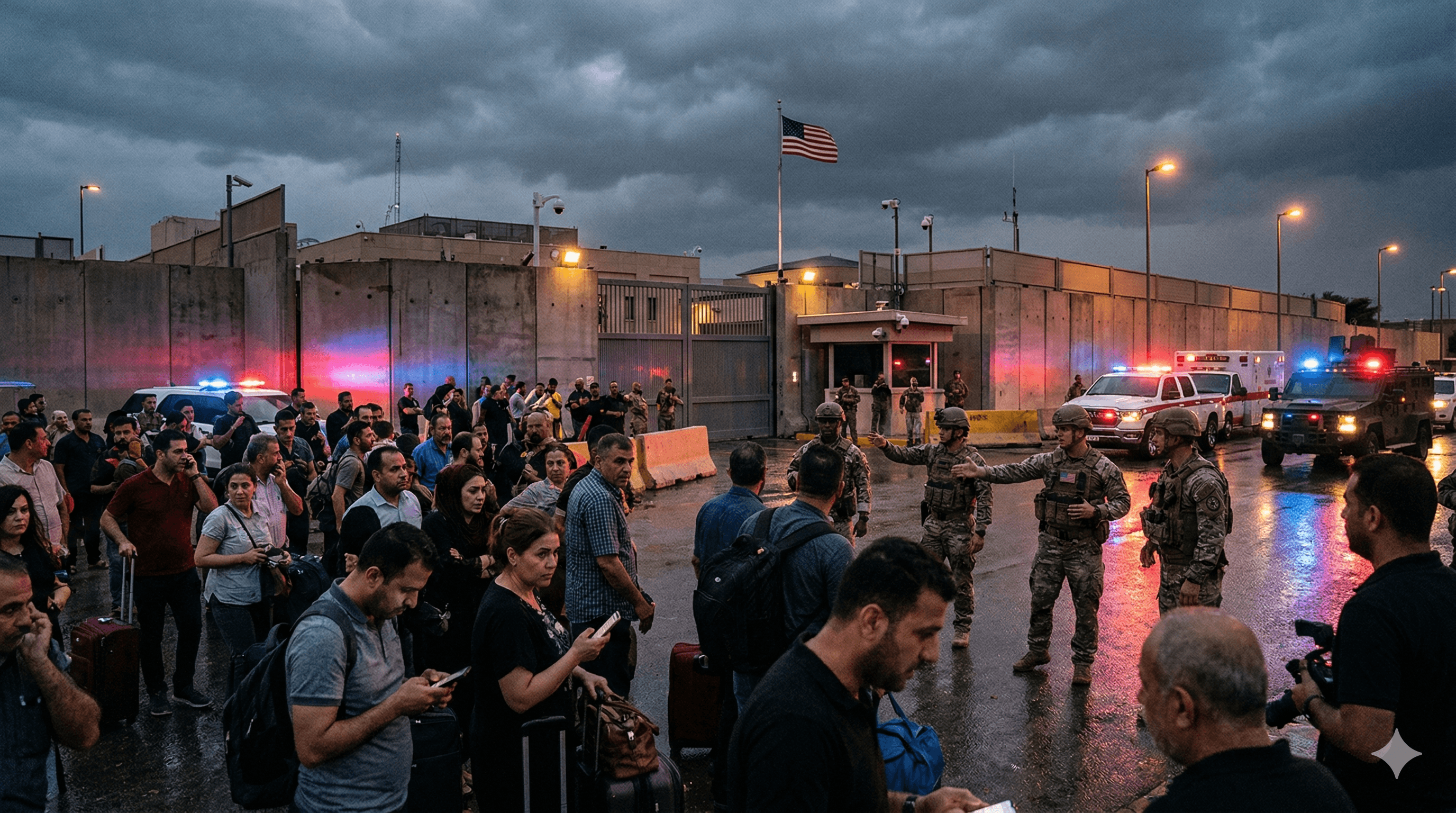
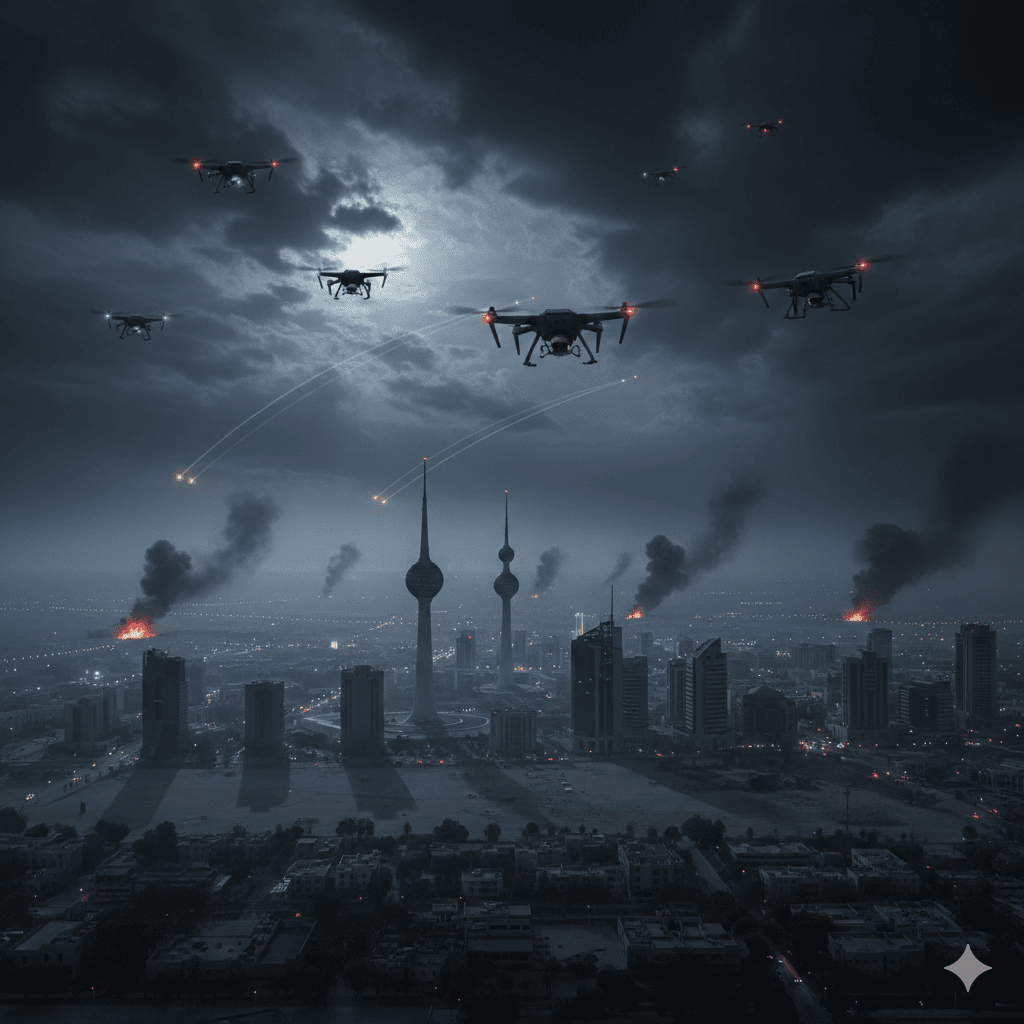
Tension across the Middle East continues to ripple outward, and now even countries not directly involved in active fighting are feeling the strain. This week, the U.S. Embassy in Kuwait issued a serious warning: there is a “continuing threat of missile and UAV (drone) attacks” over the country.
For many residents, it was a message that shifted the atmosphere from concern to urgency.
A Call to Shelter in Place
In its official statement, the embassy urged American citizens in Kuwait to:
- Shelter in place
- Review personal security plans
- Remain alert for potential additional attacks
Embassy personnel themselves are also sheltering in place — a move that underscores the seriousness of the threat assessment.
When diplomatic staff take protective measures, it signals that intelligence and regional developments are being monitored very closely.
Why Kuwait?
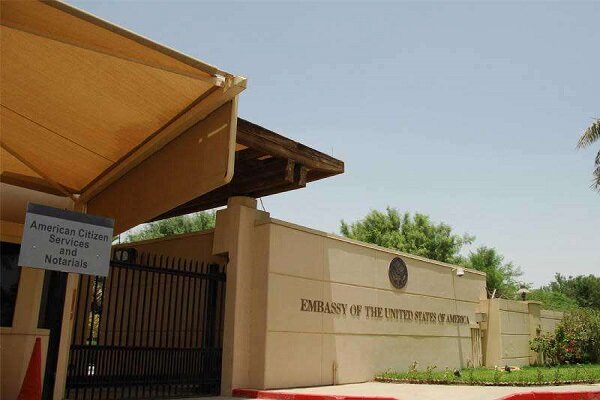

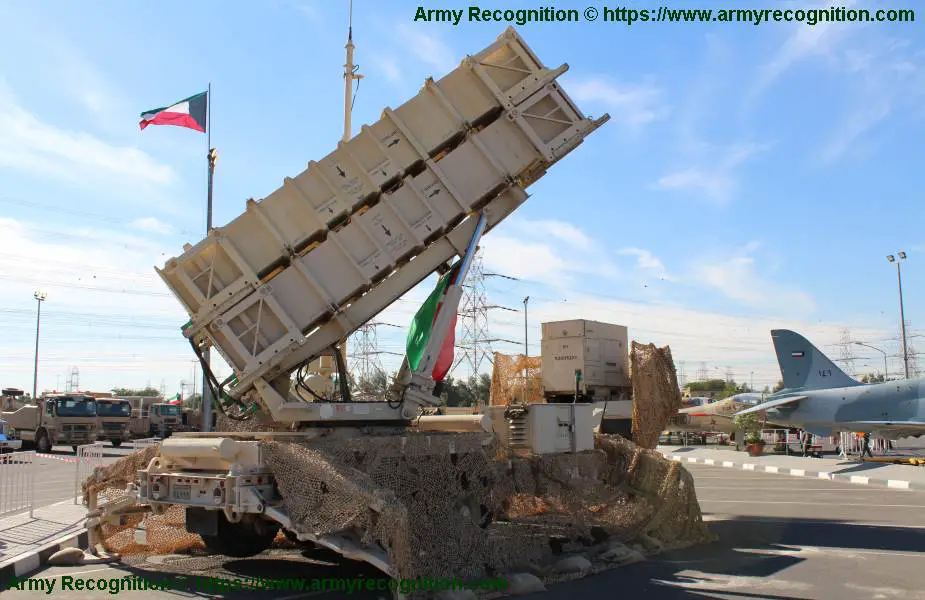

Kuwait sits in a strategically sensitive position in the Gulf. It hosts U.S. military facilities and has long been a logistical hub for American operations in the region. While Kuwait itself has not been at the center of the current Israel-Hezbollah escalation, regional conflicts often spill beyond borders — especially when missile and drone technology is involved.
Modern UAVs and ballistic missiles can travel significant distances, making neighboring countries vulnerable even if they are not directly engaged in fighting.
For Kuwait’s residents — citizens and expatriates alike — that reality feels close to home.
The Human Side of Security Alerts
Security warnings can sometimes sound clinical: “shelter in place,” “threat assessment,” “remain vigilant.” But behind those phrases are ordinary people making quick adjustments to daily life.
Parents double-check emergency supplies.
Workers consider whether to commute.
Families text loved ones more often than usual.
Even if no strike occurs, the psychological weight of “what if” lingers.
For American citizens living in Kuwait — many of whom work in education, healthcare, business, or military support roles — the embassy’s warning is not just a headline. It is a reminder that geopolitical tensions can abruptly intersect with everyday routines.
The Broader Regional Context
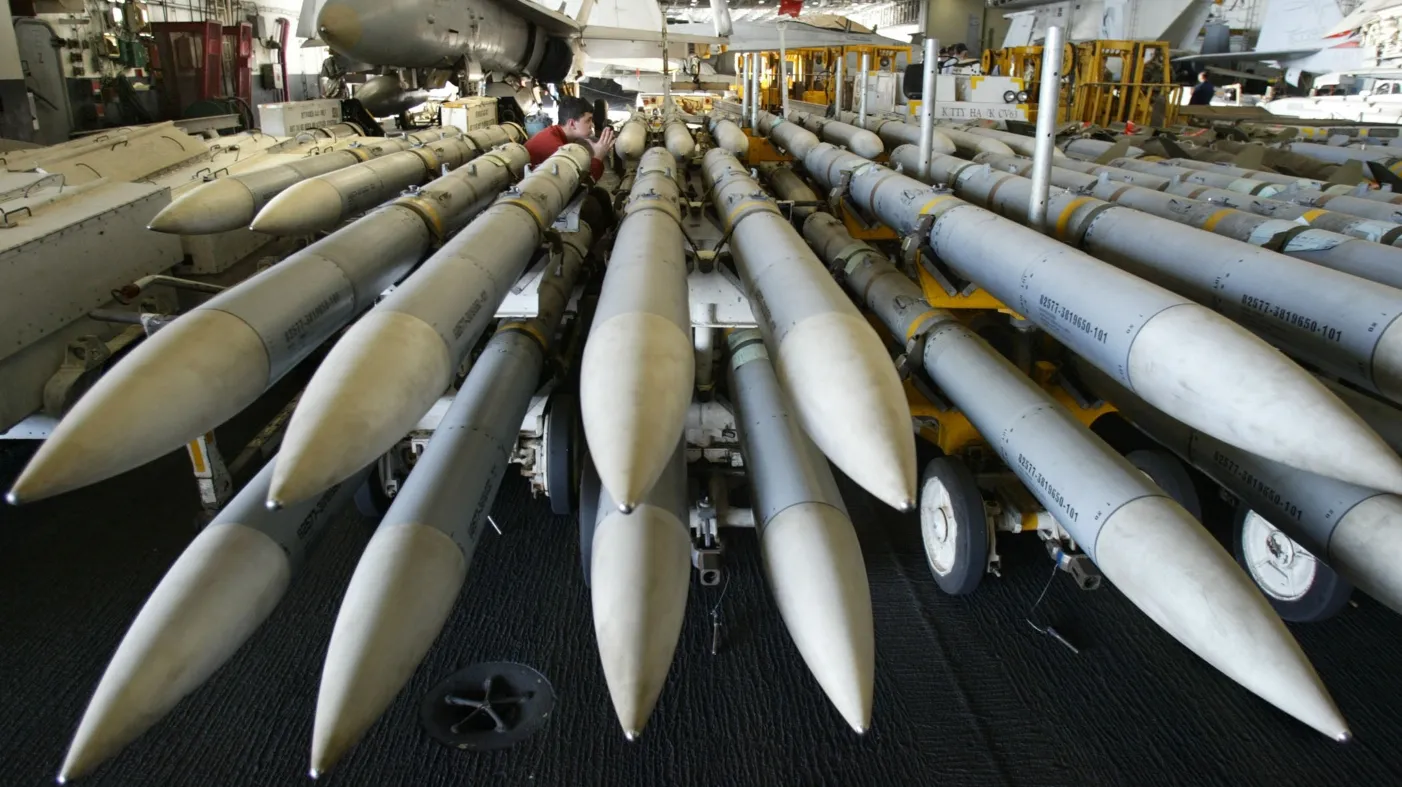
The warning comes amid heightened instability across the region, with missile and drone exchanges becoming more frequent tools of deterrence and retaliation. Over the past few years, Gulf states have invested heavily in air defense systems, including Patriot missile batteries and radar networks designed to intercept aerial threats.
Still, no system offers absolute certainty.
Military analysts note that drone warfare in particular has changed the risk landscape. UAVs can be cheaper, harder to detect, and launched from non-traditional locations. That evolving technology has made embassies and military installations more cautious than ever.
What Happens Next?
At this stage, the embassy’s advisory is precautionary — there has been no confirmed strike reported in Kuwait at the time of the statement. But such alerts often remain active until regional conditions stabilize.
For now, the message is clear: stay alert, stay prepared, and avoid unnecessary exposure.
In moments like this, diplomacy and defense move quietly behind the scenes. Governments communicate. Intelligence agencies track movements. Defense systems remain on standby.
And ordinary people wait — hoping the warning remains just that: a warning.