Iran War: What It Could Really Cost America
Tensions in the Middle East have sharply increased after the United States and Israel carried out major strikes inside Iran. The military campaign, called Operation Epic Fury, has opened a new chapter in the long conflict between the two countries.
Now the big question is:
How expensive could this war become for the United States?
What Is Happening?
On February 28, US President Donald Trump announced that American forces had launched a large military operation targeting sites inside Iran. According to US officials, the goal is to weaken Iran’s missile systems and stop it from developing nuclear weapons.
The attacks reportedly included air strikes, cruise missiles launched from ships, drones, and naval operations. Important military and nuclear-related locations were hit in the first wave of strikes.
This is not a small operation. It involves advanced fighter jets, stealth bombers, drones, missile defence systems, and aircraft carriers.
How Much Money Is Already Being Spent?
Even before this new war phase, the US had already spent billions in the region since 2023.
- Over $20 billion in military aid to Israel
- Nearly $10–12 billion on US military operations in the Middle East
Now, with direct operations inside Iran, daily costs are rising quickly. Military experts estimate that:
- The first 24 hours of strikes may have cost hundreds of millions of dollars
- Running one aircraft carrier group costs millions per day
Two major carriers are involved in this operation, including the USS Gerald R. Ford. Keeping such forces active for weeks could push total costs into tens of billions of dollars.
The Bigger Problem: Weapons Supply
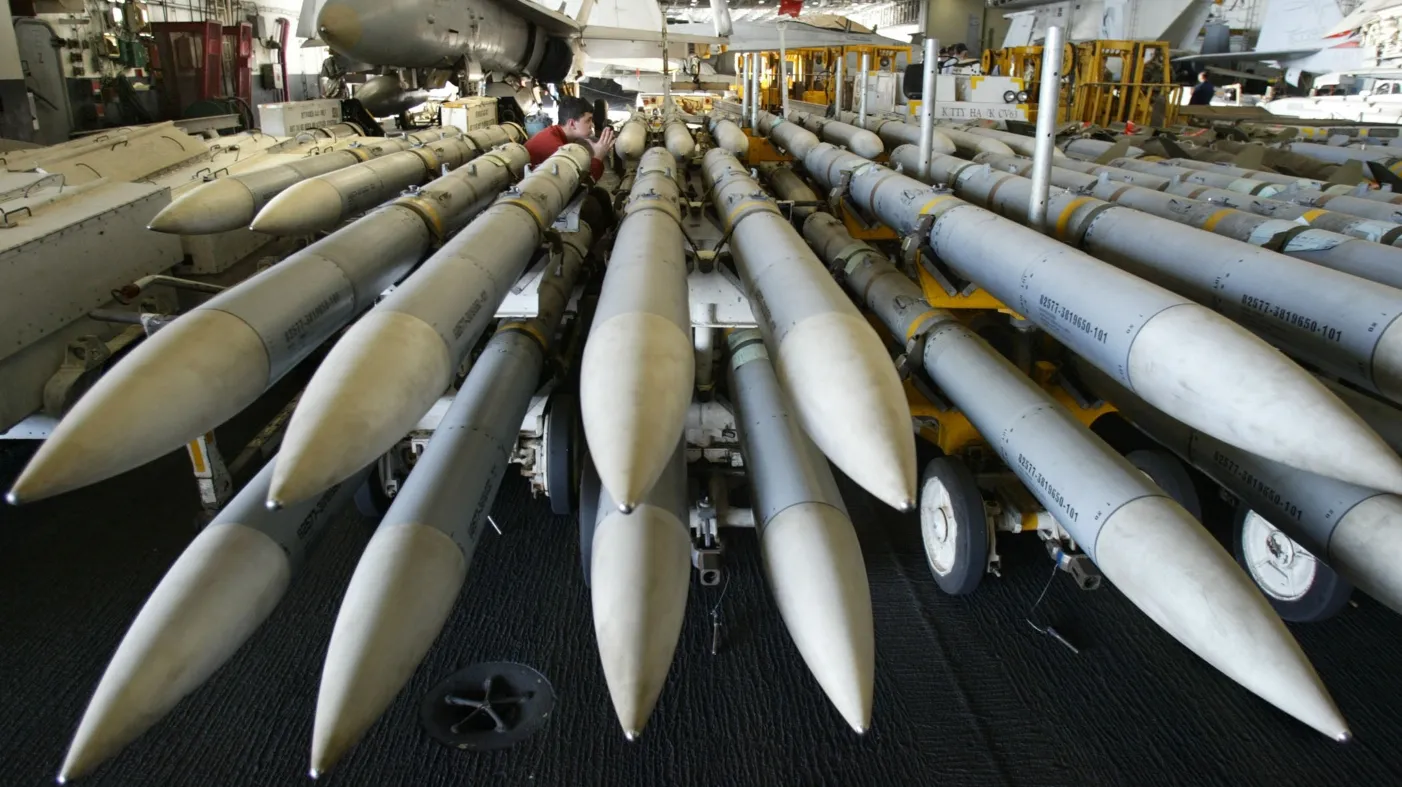
Money may not be the biggest issue for the US because it has a very large defence budget. The bigger concern is military inventory.
Advanced systems like missile interceptors and precision-guided weapons are expensive and take time to produce. They cannot be made quickly in huge numbers. If the war continues for several weeks, the US could start facing shortages of certain key weapons.
These same weapons are also needed in Europe and Asia. So using too many in one conflict can create pressure elsewhere.
What Could Happen Next?
If the operation lasts four to five weeks, the financial cost will grow fast. But the impact will not just be about money.
Possible effects include:
- Higher oil prices
- Global market instability
- Political pressure inside the US
- Increased tension across the Middle East
Wars are always unpredictable. Even if the US can afford the operation financially, long-term effects on global politics and regional stability could be much bigger.
Conclusion
The Iran conflict is not just about bombs and missiles. It is also about strategy, money, and global power balance. While the US has the resources to fight, the real question is how long it can continue without facing serious economic and military strain.
The true cost of this war may only become clear in the months ahead.