Khamenei’s Death Marks a Turning Point for Tehran, Iran, and the Wider Region
The passing of Iran’s Supreme Leader, Ayatollah Ali Khamenei, is more than a political event — it is a deeply symbolic moment for Iran and the Middle East. For over four decades, Khamenei stood at the center of the Islamic Republic’s power structure. To many Iranians, his presence felt permanent, almost inseparable from the identity of the state itself.
Now, with his death, Iran finds itself at a crossroads. The future feels uncertain. Questions that once seemed distant are suddenly urgent.
A Life Intertwined with the Revolution
Khamenei’s political journey was closely tied to the 1979 Islamic Revolution — the historic movement that ended the Pahlavi monarchy and reshaped Iran’s identity. He was not merely a witness to those events; he was an active participant in shaping the system that followed.
When he became Supreme Leader in 1989, he stepped into the most powerful position in the country. From that moment on, his influence reached into every major institution — the military, the judiciary, foreign policy, and domestic governance. For an entire generation, Iran’s direction was closely linked to his leadership.
To his supporters, Khamenei represented resistance and continuity. They saw him as a guardian of Iran’s sovereignty during years of sanctions, diplomatic isolation, and regional tension. In their eyes, he preserved the ideals of the revolution and defended the nation’s independence against outside pressure.
To his critics, however, his time in power told a different story. Many associate his leadership with restrictions on political freedoms, limits on dissent, and economic struggles that affected ordinary families. Younger generations, in particular, have often expressed frustration over social limitations and limited opportunities.
A Nation Divided in Memory
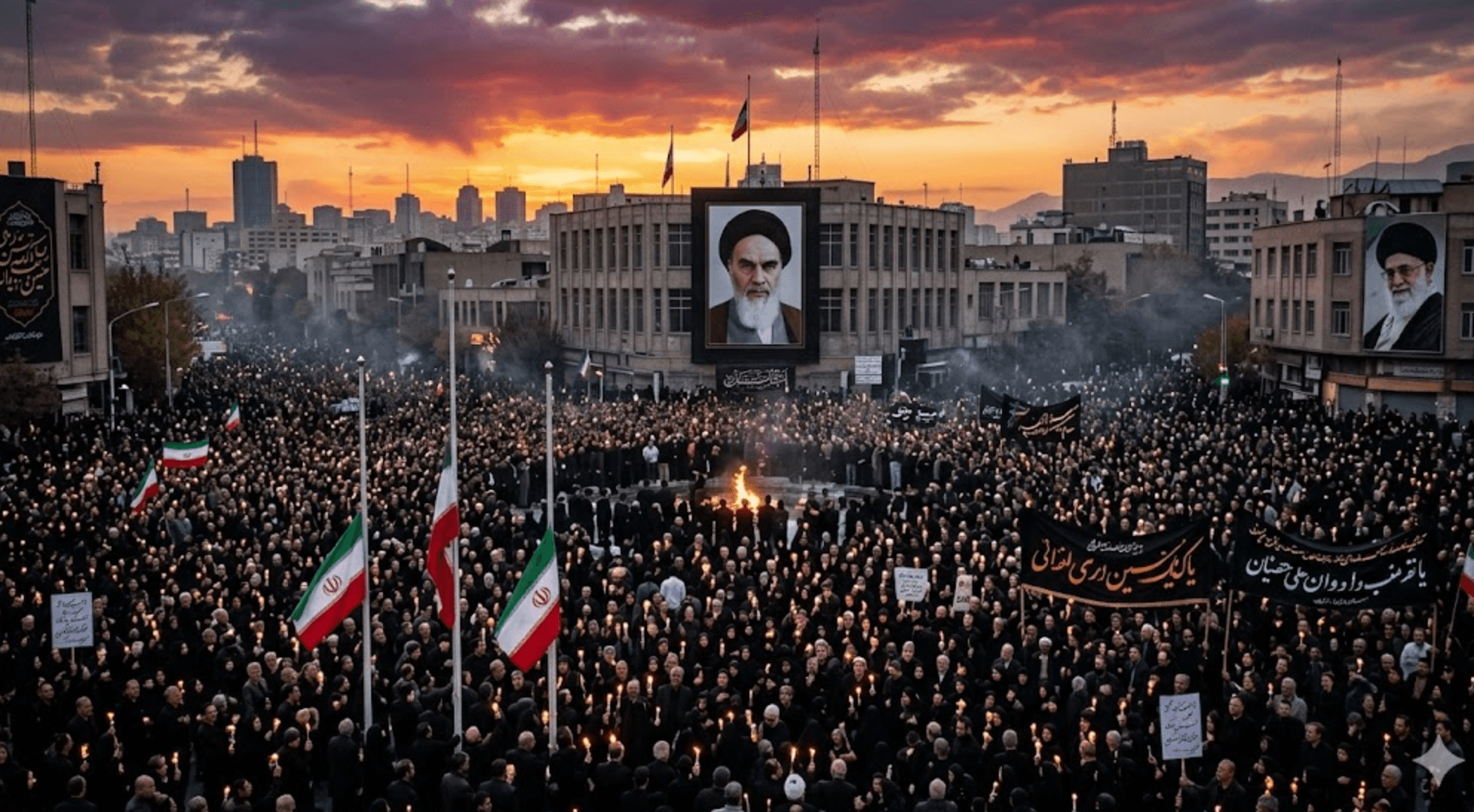
As Iran reflects on Khamenei’s legacy, reactions are far from uniform. Some mourn him as a steadfast leader who guided the country through decades of pressure and uncertainty. Others see this moment as the end of a chapter they hope will bring change.
These contrasting emotions highlight the complexity of Iranian society. Iran is not a single voice — it is a mosaic of generations, beliefs, and aspirations. In times like this, those differences become more visible.
Beyond Iran’s borders, regional and global powers are also watching closely. For some neighboring governments, Khamenei’s leadership provided predictability in an already volatile region. For others, his policies were seen as a source of tension and rivalry.
Why This Moment Matters
Leadership transitions in Iran are never simple. The Supreme Leader holds immense authority, and the process of choosing a successor carries profound consequences.
Domestically, the question of succession could reshape internal power dynamics. Will the next leader maintain the same approach, or will new voices gain influence?
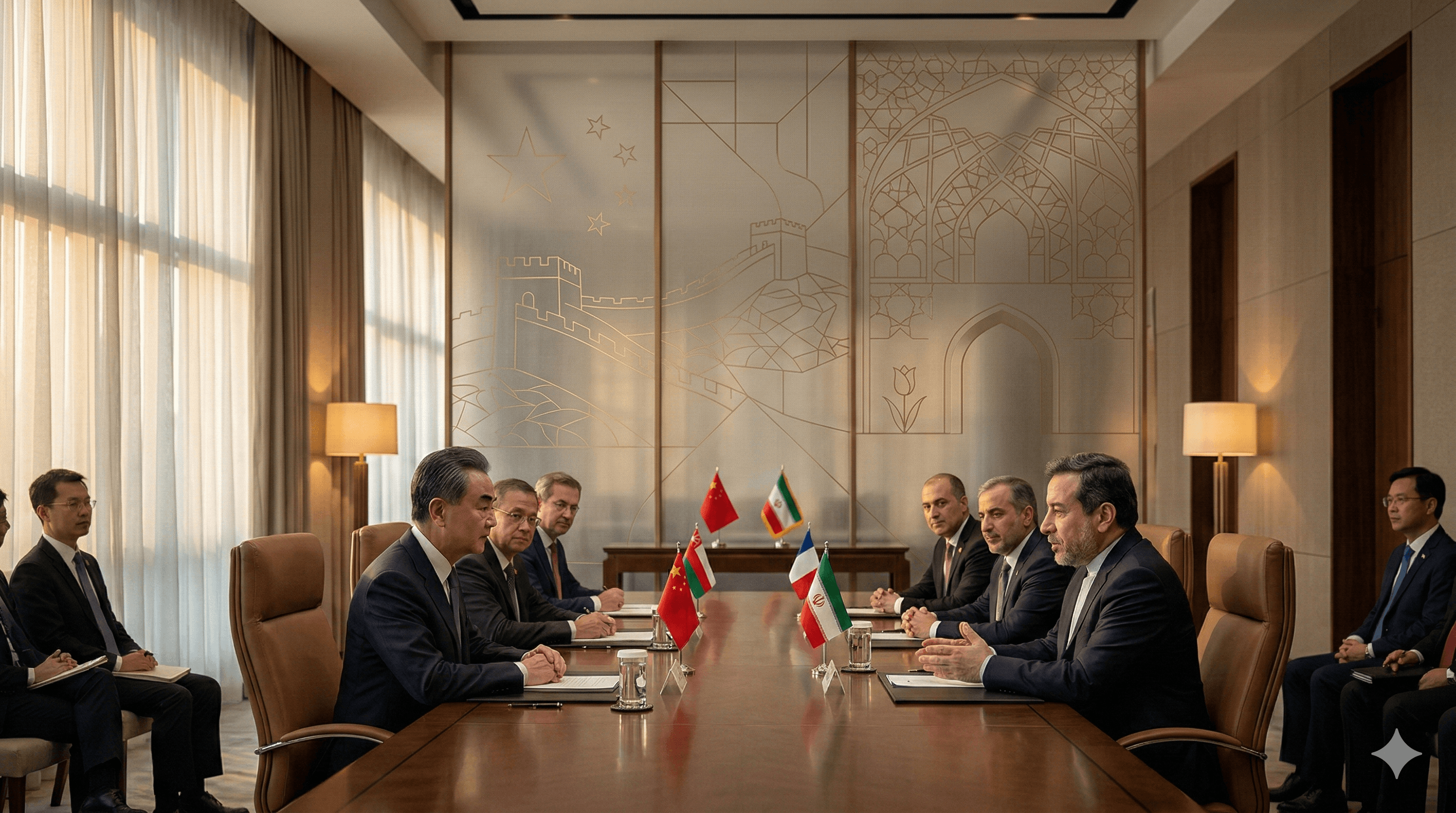
Regionally, Iran plays a key role in Middle Eastern politics — from Syria and Iraq to its complex relationships with Gulf states and global powers. Any shift in leadership could subtly — or significantly — affect diplomatic strategies and alliances.
Internationally, issues such as nuclear negotiations, sanctions, and economic engagement remain sensitive topics. A change at the top could either reinforce existing policies or open the door to recalibration.
Socially, this moment may resonate most strongly with everyday Iranians. Economic hardship, generational divides, and calls for greater freedoms have been shaping public discourse for years. For some, this transition represents uncertainty; for others, possibility.
Between Change and Continuity
History shows that leadership changes can either preserve the status quo or trigger gradual transformation. In Iran’s case, both outcomes remain possible.
Will the next Supreme Leader follow Khamenei’s established path, emphasizing continuity and ideological consistency? Or will this transition mark the beginning of a quieter evolution within the system?
For now, the answers remain unclear.
An End of an Era
The death of Ayatollah Ali Khamenei marks the close of a significant chapter in modern Iranian history. Regardless of perspective — whether supportive, critical, or somewhere in between — his impact on Iran is undeniable.
Moments like this invite reflection. They encourage nations to look back at where they have been and to consider where they might go next.
For Tehran, for Iran, and for the wider region, this is not simply the end of a life. It is the beginning of a new and uncertain phase — one that will shape the future for years to come.