Iran–US Nuclear Talks Resume in Geneva as Tensions Rise in the Gulf
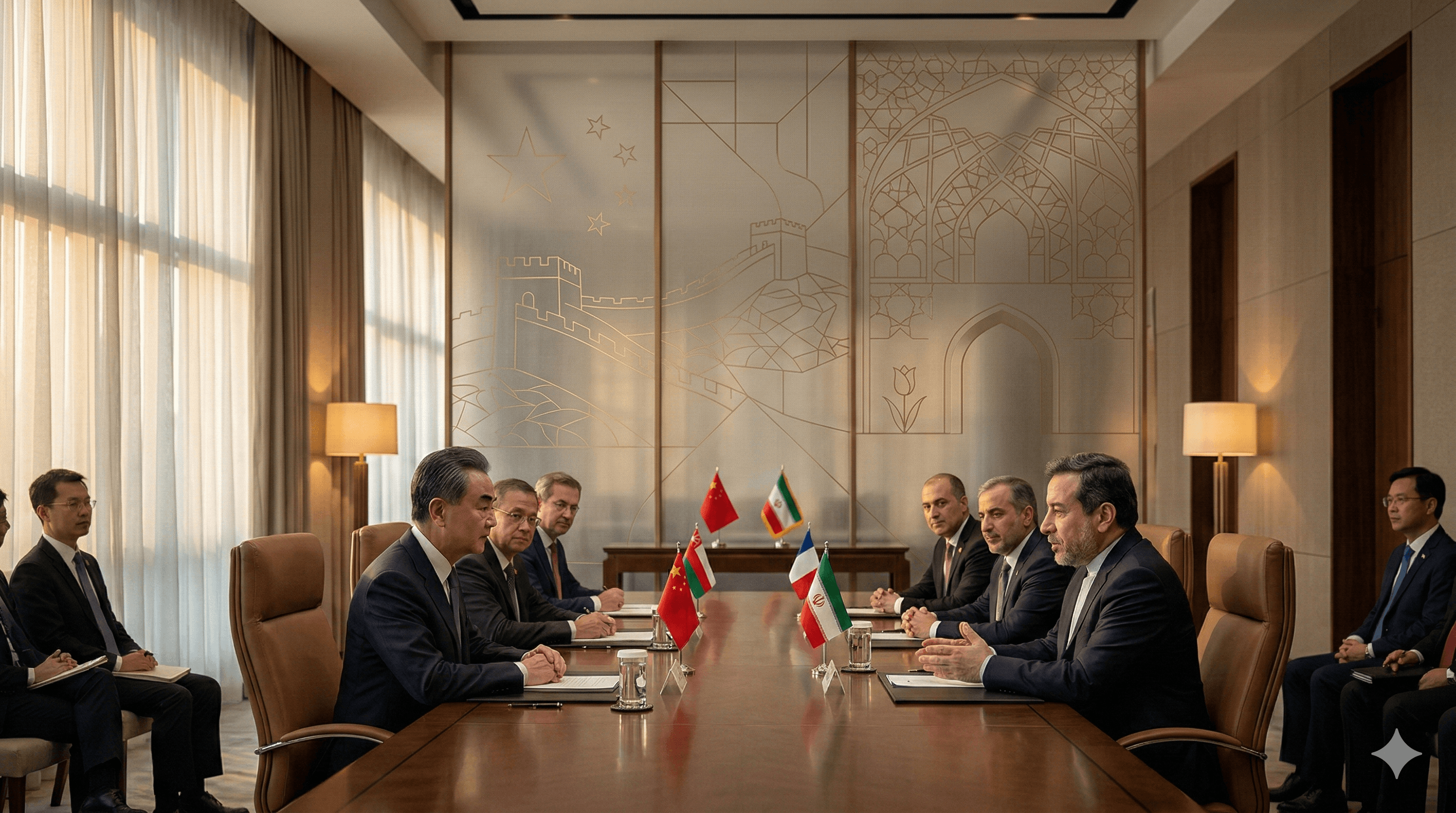
Iran and the United States are once again sitting at the negotiating table this time in Geneva for a crucial second round of nuclear talks. The discussions come at a moment of high tension, with military movements in the region and strong political messaging from both sides.
Iran Signals Willingness But Sets Red Lines
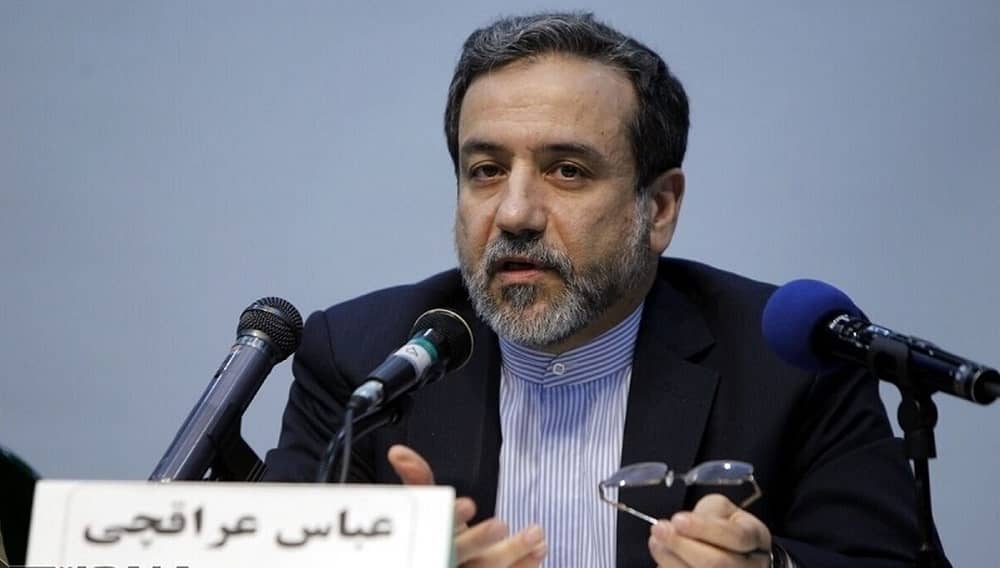
Iran’s Foreign Minister Abbas Araghchi arrived in Geneva saying he carries “real ideas” for a fair agreement. However, he made it clear that Iran will not bow to pressure or threats.
Tehran has hinted it may consider reducing the level of uranium enrichment and increasing transparency around its nuclear facilities. But Iranian officials have repeatedly stressed two non-negotiable points:
- Zero enrichment is not acceptable
- Iran’s missile programme is a red line
Iran’s Supreme Leader Ali Khamenei has also warned that failure in diplomacy could risk wider regional conflict.
IAEA’s Role Becomes Critical
Before the formal talks, Araghchi met with Rafael Grossi, head of the International Atomic Energy Agency.
The nuclear watchdog is pushing for access to Iranian facilities that were reportedly damaged during last year’s brief but intense conflict involving US and Israeli strikes. Inspecting these sites is complicated, as Iran claims there could be radiation risks and requires special protocols.
Despite tensions, Tehran has acknowledged the IAEA will play an “important role” in monitoring any future deal.
US Builds Military Pressure
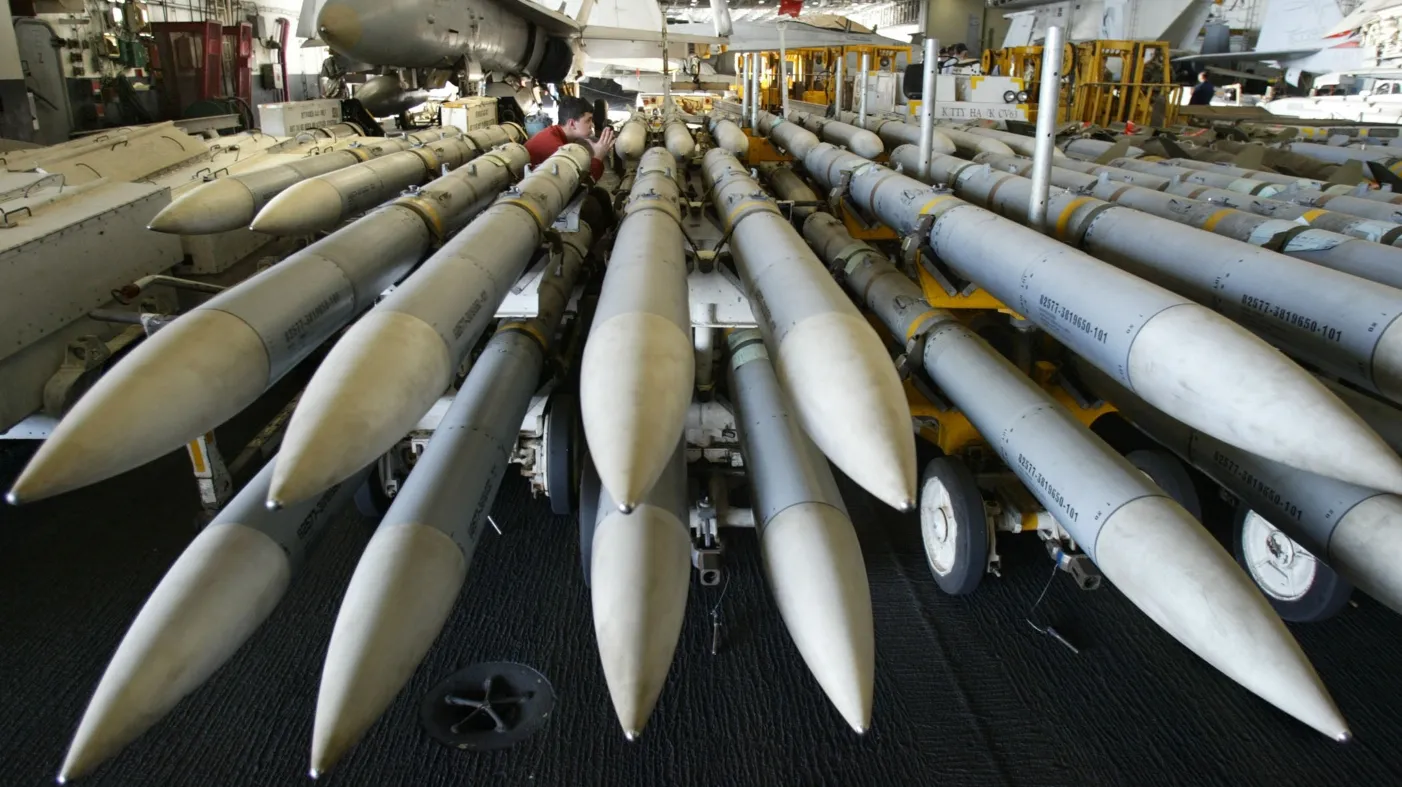
While diplomacy continues, Washington is increasing its military presence in the region. US President Donald Trump has ordered the deployment of a second aircraft carrier to the Middle East, signaling that military options remain on the table.
US Secretary of State Marco Rubio said reaching a deal would not be easy but described diplomacy as an opportunity worth pursuing.
This mix of negotiations and military buildup reflects Washington’s dual-track strategy: talk peace, but prepare for pressure.
IRGC Drills in Strait of Hormuz
At the same time, Iran’s powerful Islamic Revolutionary Guard Corps has launched naval exercises in the strategically vital Strait of Hormuz.
The drill, reportedly named “Smart Control of the Strait of Hormuz,” aims to demonstrate Iran’s ability to secure and potentially disrupt one of the world’s most important oil transit routes. Nearly a fifth of global oil shipments pass through this narrow waterway.
The message is clear: Iran is negotiating, but it is also ready to show strength.
Internal Pressure Inside Iran
Diplomacy with Washington is not universally supported inside Iran. Hardline lawmakers have warned against granting inspectors broad access without guarantees on national security and territorial integrity.
Recent nationwide protests and government crackdowns have also added domestic political pressure. Iranian authorities blame foreign interference, while international human rights groups accuse Tehran of excessive force.
This internal divide makes the Geneva talks even more delicate.
What’s at Stake?
The renewed talks aim to:
- Prevent another military confrontation
- Address uranium enrichment levels
- Clarify inspection mechanisms
- Reduce regional escalation
A breakthrough could ease sanctions and reduce global energy uncertainty. Failure, however, could push both sides closer to direct confrontation.
The Bigger Picture
These negotiations are happening alongside broader global tensions, including ongoing discussions in Europe over the Ukraine war and shifting geopolitical alliances. The outcome of the Iran–US talks could reshape Middle Eastern stability and impact global markets.
For now, diplomacy is alive but surrounded by warships, military drills, and deep mistrust.
The world will be watching what happens next in Geneva.Source