Gaza Farmers Risk Their Lives to Work on Their Land
Farmers in Gaza are going back to their fields, even though it is very dangerous. A recent report by Al Jazeera shows how farmers are trying to grow crops again while Israeli forces control large areas near their land.
Going Back After Destruction
When a ceasefire started in October, Mohammed al-Slakhy quickly returned to his farm in Gaza City with his children. But everything was destroyed.
His greenhouses were broken. His wells, irrigation systems, solar panels, and water plants were all damaged. Like many farms in Gaza, his land was ruined during the war.
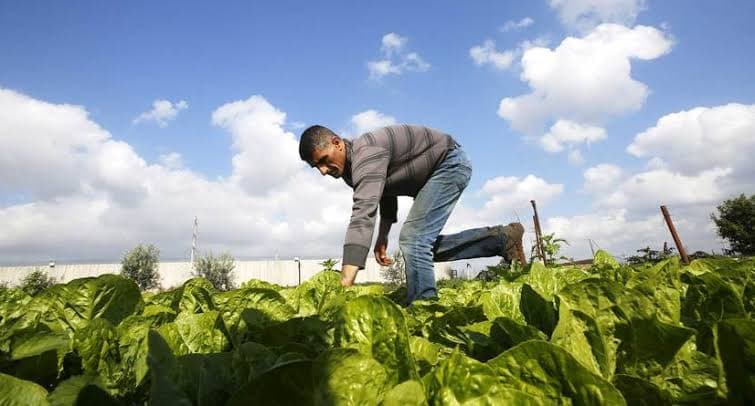
Still, Mohammed did not give up. He cleaned the land and planted courgettes (zucchini), hoping to harvest them in spring.
But farming is still very risky.
Israeli tanks are only a few hundred meters away. Sometimes, soldiers fire bullets near the fields. Mohammed says he has to hide when tanks move close.
Before the war, his family had 22 hectares of farmland. Now, he can only use one hectare. The rest is inside an Israeli “buffer zone” that farmers cannot safely enter.
Most Farmland Is Damaged
According to the United Nations, more than 80% of Gaza’s farmland has been damaged. Very little land is safe to farm.
Another farmer, 75-year-old Eid al-Taaban, also faces danger. His land is close to the buffer zone. He says he hears gunfire almost every day. Farmers are afraid when they go to water their crops.
Some farmers have even been killed while working on their land.
Blockade Makes Farming Harder
Farmers also suffer because of the Israeli blockade. Important farming supplies like seeds, fertilisers, pesticides, and tractors are very hard to get.
When supplies are available, they are very expensive. Sometimes the products do not work properly, and entire crops are destroyed.
Even when farmers grow vegetables, they struggle to sell them. Israeli products are often brought into Gaza at lower prices. Many people in Gaza do not have enough money, so they buy the cheaper goods.
This means local farmers sometimes sell their crops for less than the cost of growing them.
Farming Is Part of Their Identity
For many Palestinians, farming is not just a job. It is part of their history and culture.
Eid says his grandfather was a farmer before 1948. He learned farming from his father, and now he teaches his grandchildren.
Despite the danger and losses, Gaza’s farmers say they will continue working on their land.
“Agriculture is our life,” Mohammed says. “We will keep planting as long as we can.”