Childhood Stolen by War: Gaza’s Children Forced to Work Instead of Learn
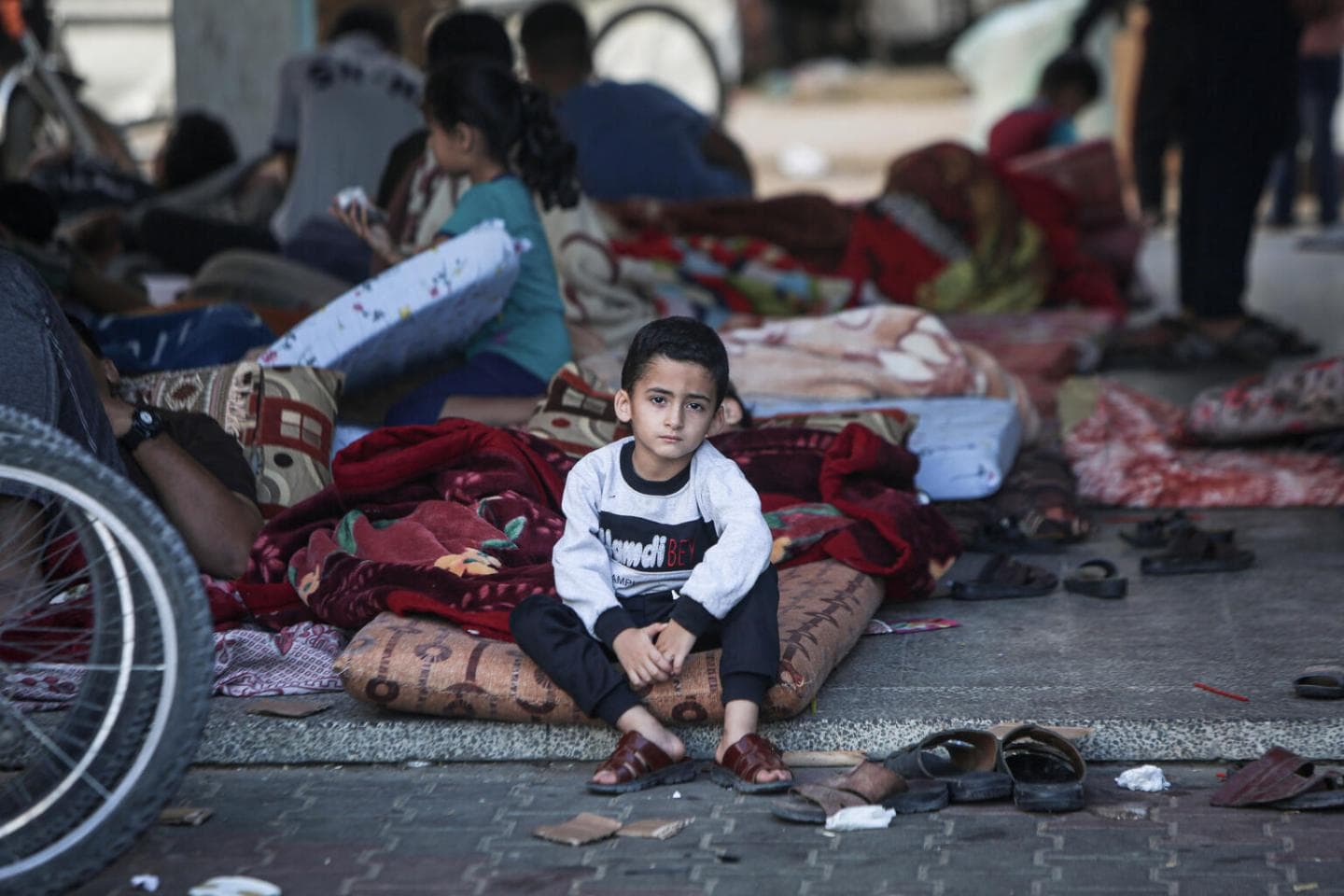
In Gaza today, childhood is no longer filled with classrooms, laughter, and dreams for the future. Instead, it is marked by survival, responsibility, and loss. Thousands of children who once carried schoolbags now carry heavy loads to support their families.
Fifteen-year-old Mahmoud wakes up before sunrise each morning not to prepare for school, but to begin another exhausting day searching for fuel materials. Displaced and living in a crowded tent, he roams the streets collecting scraps of wood, cardboard, and nylon. What was once study time is now spent walking for hours under dust-filled skies, just to help his family bake bread.
Mahmoud lost his father in an air strike, and as the eldest son, he feels the burden of becoming the provider. Despite his young age, he no longer sees himself as a child. He speaks of his school days with sadness, remembering how he used to excel in mathematics. Sometimes he avoids being seen by his former teachers, ashamed that war has forced him from the classroom into hard labor.
His story reflects a wider crisis across Gaza. The destruction of infrastructure has left the majority of schools damaged or unusable. Many buildings that remain standing are now shelters for displaced families. As a result, hundreds of thousands of children have had little or no access to proper education for years.
The economic collapse has only deepened the crisis. With widespread poverty, lack of electricity, and countless families losing their primary earners, children are stepping into adult roles far too early. What we are witnessing is not just child labor it is the long-term disruption of an entire generation’s development.
Eleven-year-old Layla is another example. Instead of sitting in a classroom, she walks through the streets selling tea to help her disabled father. She once had a pink room filled with toys and dreams. Today, those memories lie buried under rubble. Yet she continues moving forward, tray in hand, calling out to customers in hopes of earning enough for her family.
Psychologists warn that the consequences will extend far beyond lost school years. The emotional trauma, interrupted education, and constant exposure to hardship may shape the future of this generation in profound ways.
Rebuilding schools and restoring access to education is not just about reopening classrooms. It is about protecting identity, dignity, and hope. Without urgent attention, the cost of this conflict will not only be counted in destroyed buildings, but in the futures of the children forced to grow up too soon.