BNP Wins Majority in Bangladesh’s First Election After 2024 Protests
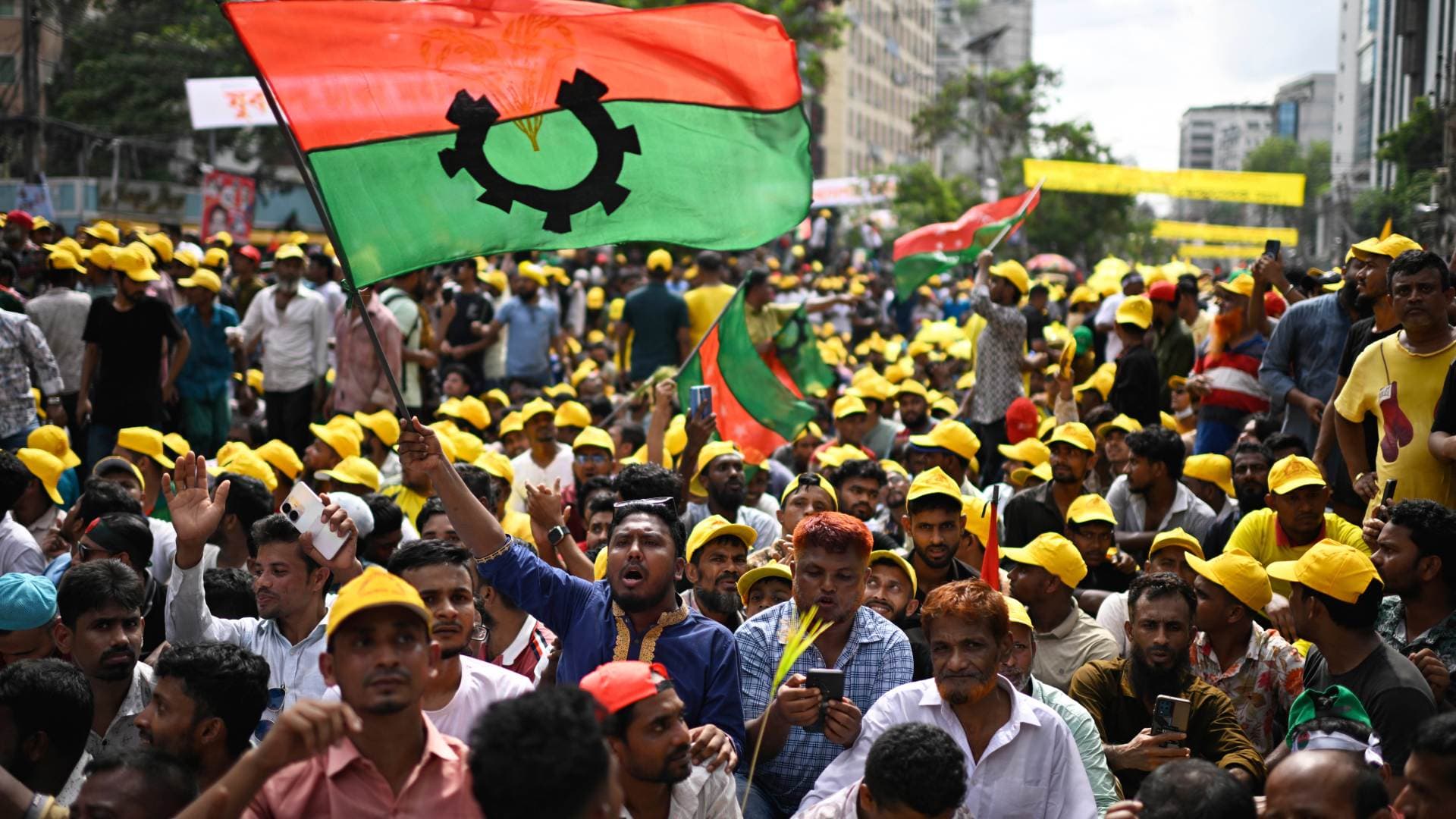
Bangladesh has witnessed a historic political shift as the Bangladesh Nationalist Party (BNP) secured a clear majority in the country’s first general election since the 2024 student-led uprising. The vote marks the end of a turbulent chapter in national politics and signals the beginning of a new era for the South Asian nation.
A Dramatic Political Comeback
The victory represents a remarkable turnaround for BNP leader Tarique Rahman, who spent 17 years in self-imposed exile in London. Once sidelined by legal battles and political pressure, Rahman is now poised to become Bangladesh’s next prime minister.
The election comes after the fall of former Prime Minister Sheikh Hasina, whose 15-year rule ended following massive student protests in 2024. The protests, which turned deadly with around 1,400 casualties, reshaped the political landscape and ultimately led to her departure. Her party, the Awami League, was barred from contesting this election, significantly altering the electoral dynamics.
Election Highlights
BNP crossed the required 151-seat threshold in the 300-member parliament to form the government.
Voter turnout stood at approximately 59%, reflecting strong public participation despite recent instability.
Jamaat-e-Islami emerged as the second-largest party, marking its strongest performance to date.
The Election Commission described the polls as “neutral and credible,” though some opposition voices raised concerns regarding vote counting.
Economic Challenges Ahead
While the political victory is significant, the new government faces pressing economic challenges. Inflation remains high at around 8.5%, the highest in South Asia. The garment industry responsible for nearly 80% of Bangladesh’s exports has been affected by international trade pressures and tariffs.
Before the pandemic, Bangladesh was one of Asia’s fastest-growing economies. However, Covid-19 disruptions and prolonged political instability slowed growth and weakened investor confidence. The BNP leadership has pledged to restore financial institutions, stabilize prices, and rebuild trust in governance.
Regional Implications
The election outcome is being closely watched by regional powers. India and Pakistan have both extended congratulations, signaling potential shifts in diplomatic alignments. Historically, the BNP has maintained relatively warmer ties with Pakistan, while relations with India became strained after Sheikh Hasina sought refuge there.
Balancing these regional relationships will be a critical diplomatic test for the incoming government.
A Nation at a Turning Point
This election does not just represent a change in leadership it symbolizes a broader reset for Bangladesh’s democratic institutions. After years of unrest, economic strain, and political polarization, citizens have placed their trust in a new government promising stability and reform.
Whether the BNP can deliver on its promises will define Bangladesh’s political and economic trajectory in the years ahead.