Australia Refuses to Repatriate ISIS-Linked Citizens After Failed Syria Exit Attempt
Australia has firmly rejected calls to repatriate dozens of its citizens detained in Syria over alleged links to ISIS, after a dramatic attempt to leave a detention camp ended in failure.
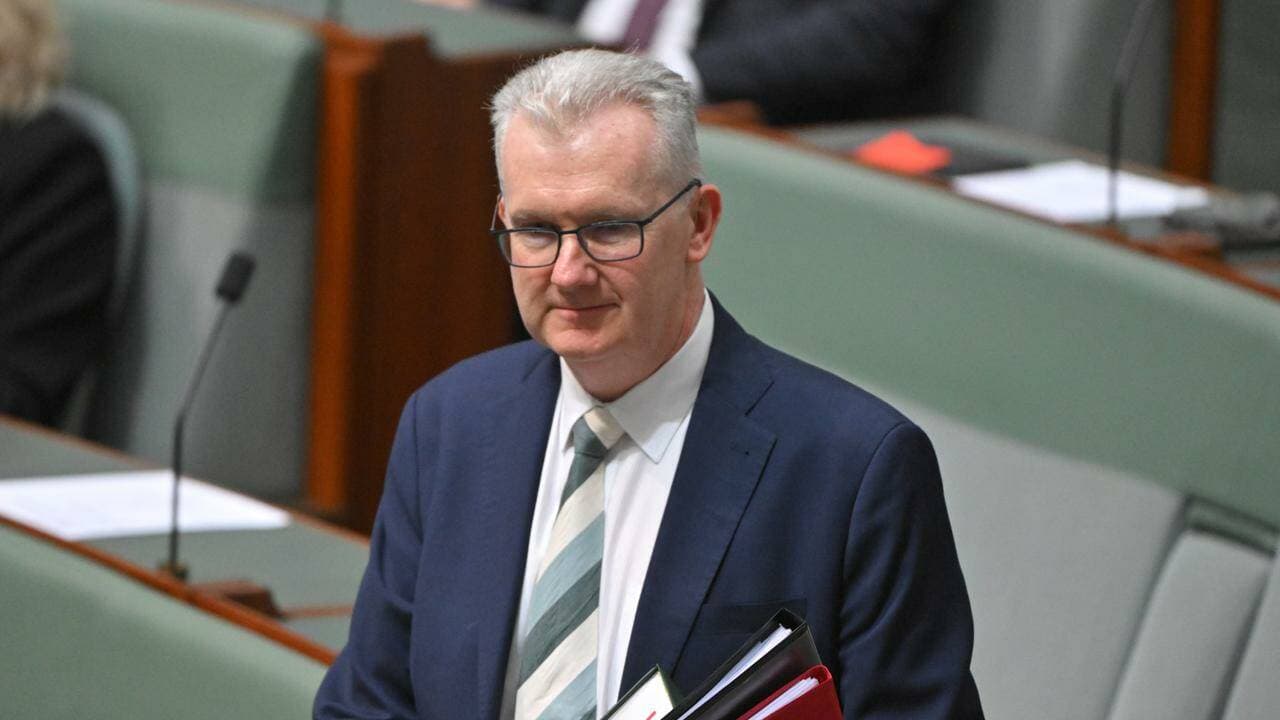
Prime Minister Anthony Albanese made it clear that the government will not assist the return of Australians associated with the so-called Islamic State, stating bluntly: “If you make your bed, you lie in it.”
What Happened?
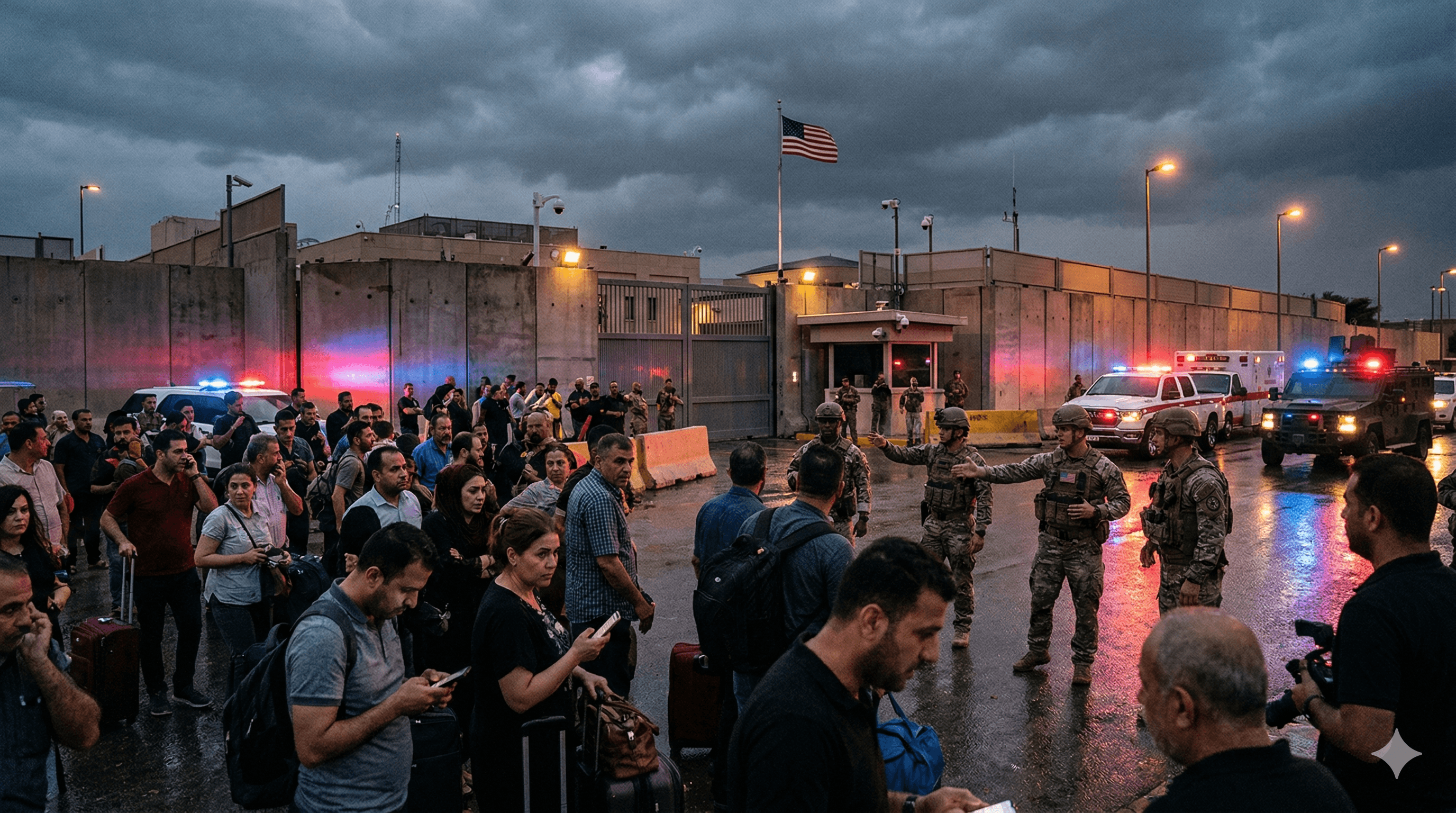
A group of 34 Australian women and children reportedly left the Al-Roj detention camp in northeastern Syria in hopes of traveling to Damascus and eventually returning to Australia.
According to camp officials, male relatives presented temporary Australian passports and claimed coordination with Syrian authorities for their transfer. However, after departing by bus, Damascus authorities said no such coordination existed forcing the group to return to the camp.
The reason for the breakdown remains unclear.
Australia’s Hardline Position
Speaking to ABC Radio, Albanese emphasized:
- Australia is providing no support.
- The government will not repatriate individuals linked to ISIS.
- Anyone returning independently will face “the full force of the law” if crimes were committed.
In a statement, the Australian government reiterated it “is not and will not repatriate people from Syria,” citing national security concerns.
Growing International Pressure
Human rights organizations including Amnesty International and Save the Children Australia argue that many detainees particularly children are innocent and living in dire conditions.
Save the Children has previously taken legal action to force the government to bring citizens home but lost the case in 2023. The organization continues to advocate for repatriation, stressing that children deserve a chance to rebuild their lives safely.
Last month, UN experts called on more than 50 countries to urgently repatriate and reintegrate their nationals held in Syrian camps, in line with international law.
Life Inside Al-Roj Camp
The Al-Roj camp houses women and children linked to ISIS fighters and is run by Kurdish-led forces in northeastern Syria. Conditions in such camps have long been criticized for:
- Alleged torture and abuse
- Gender-based violence
- Poor healthcare and sanitation
- Indefinite detention without trial
The situation has grown more uncertain following the 2024 collapse of Syrian leader Bashar al-Assad’s regime, which has shifted control dynamics in northern Syria.
A Global Dilemma
Countries including the US, UK, and Australia face a difficult balancing act:
- National Security Risks
- Legal and Human Rights Obligations
- Domestic Political Pressure
Some governments have cautiously begun repatriation efforts, but progress remains slow due to public opposition and safety concerns.
Australia previously repatriated groups of women and children in 2019 and 2022. However, its current stance signals a tougher approach.
What Happens Next?
It is unclear whether the 34 Australians will attempt to leave again or whether Syria’s evolving political landscape will further complicate the situation.
For now, Australia’s position remains firm: no assistance, no repatriation, and strict legal consequences for those who return independently.
The case highlights a broader global question how should countries deal with citizens tied to extremist groups abroad?