A New World Order? US and China Make Rival Pitches to Europe
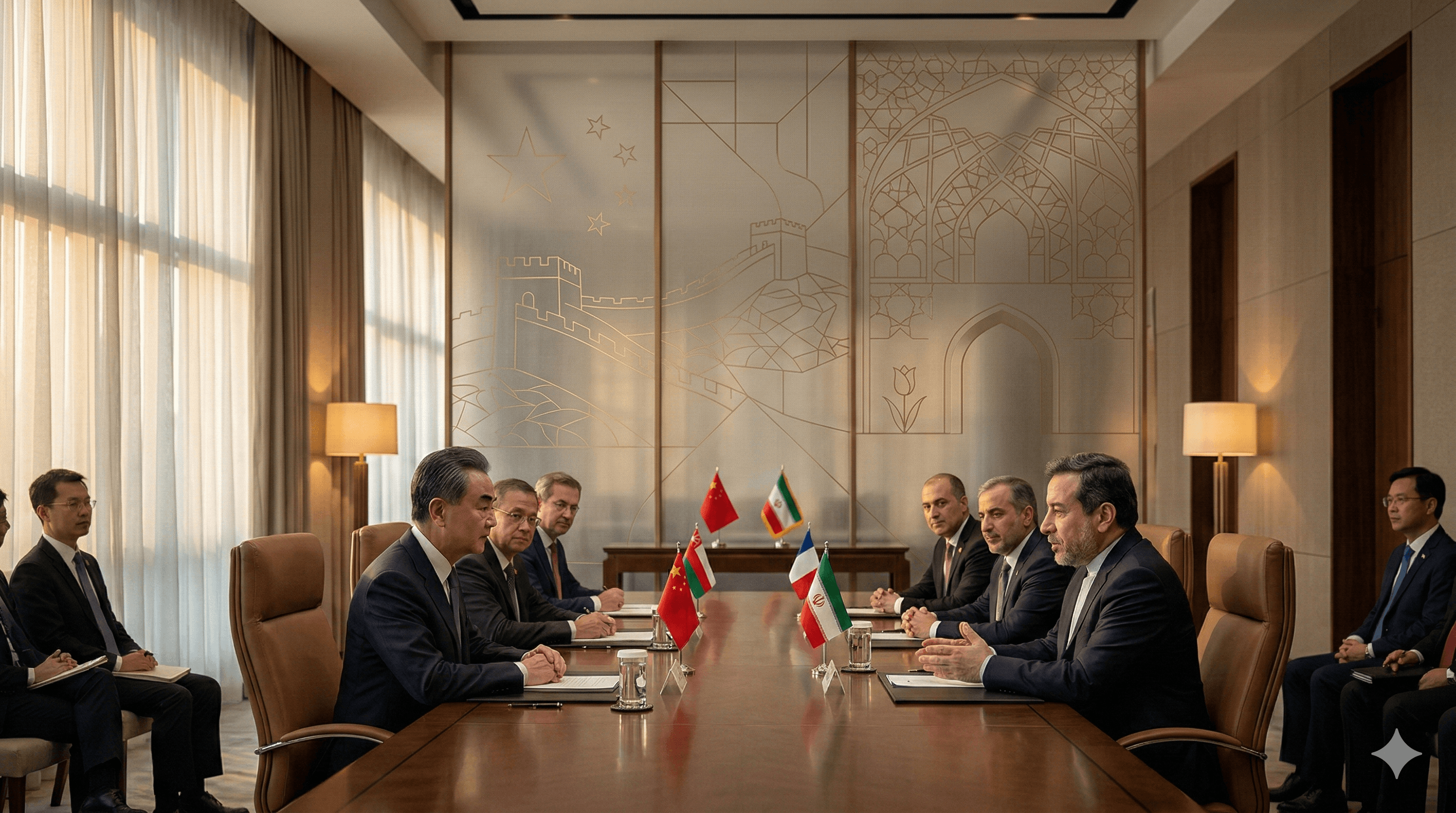
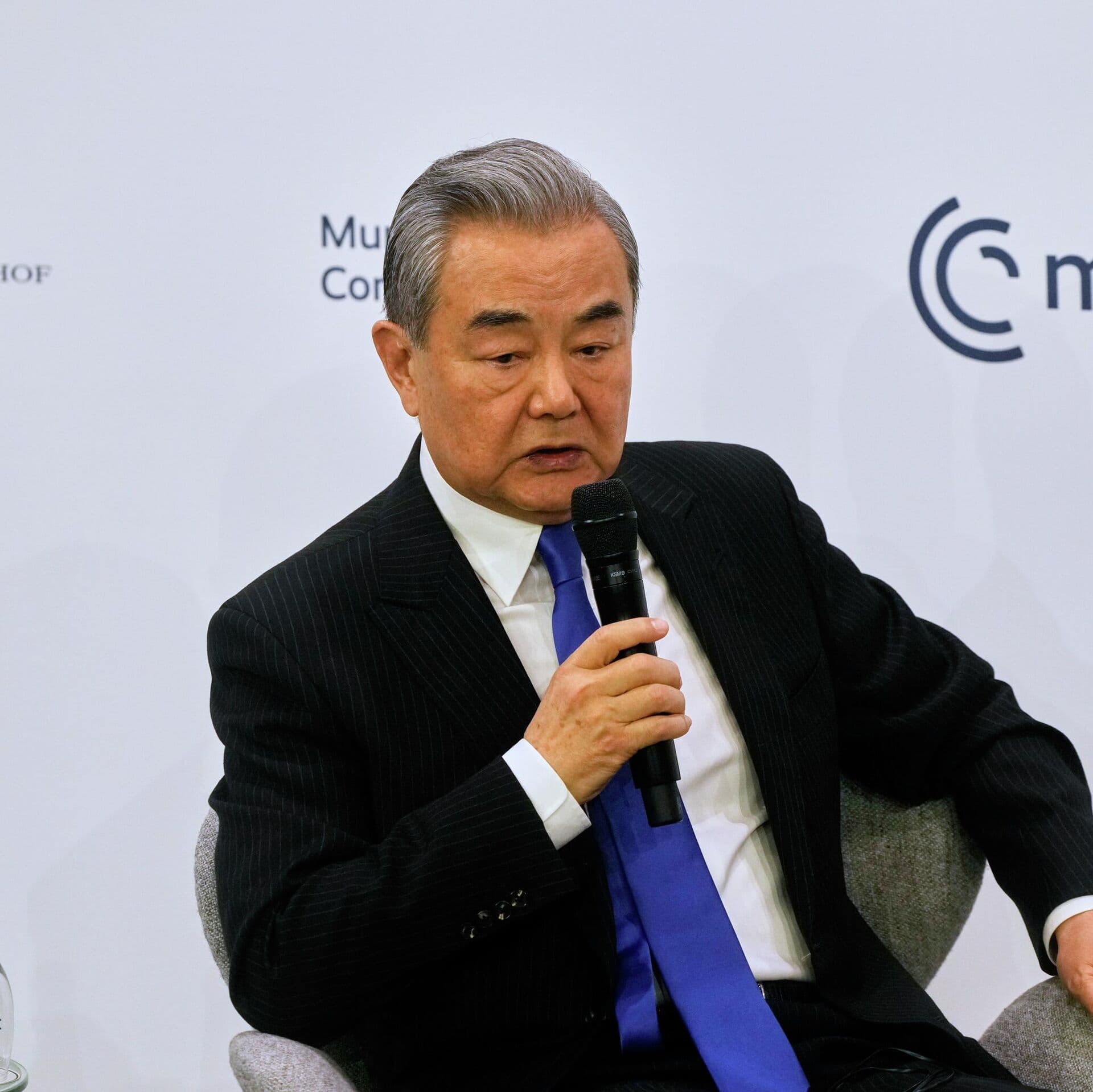
The stage at the Munich Security Conference 2026 became a powerful symbol of today’s shifting global order. Within minutes, two of the world’s most influential diplomats America’s Marco Rubio and China’s Wang Yi delivered sharply contrasting visions for the future of global power.
While Rubio emphasized that the United States and Europe “belong together,” Wang followed with a carefully crafted message: “China and the EU are partners, not rivals.”
The diplomatic back-to-back highlighted a growing reality the world’s balance of power is being renegotiated in real time.
A World Order in Transition
For decades, the post-World War II global system was largely shaped and backed by the United States. NATO, the United Nations, and Western-led economic institutions formed the backbone of international security and trade.
But today, that system is under pressure.
European leaders have openly acknowledged that the era of guaranteed US-backed security may be fading. Policy shifts under former President Donald Trump including calls for Europe to shoulder more defense responsibility have created uncertainty across the Atlantic.
Rubio’s speech aimed to calm those nerves. He reassured European allies that Washington remains committed but also made clear that the system must be “rebuilt” and updated.
China, meanwhile, sees opportunity in that uncertainty.
China’s Strategic Pitch to Europe
Wang Yi’s message was direct but measured. He criticized “certain countries” for unilateralism and Cold War thinking widely interpreted as a subtle jab at US policy — and called for China and Europe to:
Reject bloc confrontation
Safeguard free trade
Oppose unilateral practices
Promote multilateral cooperation
Beijing has long pushed for a global system less dominated by US-led alliances and more accommodating to China’s rise. Europe, as a major economic and political pole, plays a crucial role in that vision.
China wants Europe to view Beijing not as a strategic rival, but as a stabilizing partner.
The US–China Balancing Act
Interestingly, while courting Europe, China is also trying to maintain stable ties with Washington.
Wang expressed confidence about future US–China relations but warned of “two possible paths”:
Cooperation and mutual understanding
Decoupling and confrontation, especially over Taiwan
Taiwan remains a flashpoint. Beijing considers it part of its territory, while many Western democracies maintain close informal ties with the island.
Rubio, known for his hawkish stance on China, acknowledged that communication between major powers is essential to avoid geopolitical disaster. Both diplomats reportedly held “constructive” talks on the sidelines — potentially paving the way for a high-stakes Trump visit to China later this year.
Europe: Caught Between Two Powers?
The real question is not whether China is pitching to Europe it clearly is.
The real question is: Is Europe listening?
European leaders face a complicated equation:
Challenges with China:
Large trade deficit
Dependence on Chinese supply chains
Concerns over China’s support for Russia in the Ukraine war
Growing anxiety over military tensions in the South China Sea and around Taiwan
Concerns with the US:
Unpredictable foreign policy shifts
Pressure to increase defense spending
Statements such as Trump’s past remarks about Greenland, a Danish territory
Europe is no longer in a comfortable position of clear alignment. It must carefully balance economic interests, security needs, and political values.
A Diplomatic Chessboard
Munich 2026 showed that global diplomacy is now less about fixed alliances and more about strategic flexibility.
The US wants to reassure but also reshape alliances.
China wants to project stability while expanding influence.
Europe wants autonomy without sacrificing security.
The post-1945 order may not have fully collapsed but it is undeniably evolving.
As global power dynamics shift, Europe finds itself at the center of a quiet but intense geopolitical competition.
The question is no longer whether the world order is changing.
The question is: Who will shape what comes next?