When War Crosses Borders: Stories Behind the Headlines
The early hours of March 2, 2026, brought another brutal chapter in a conflict that has scarred the Middle East for decades. Long‑standing tensions between Israel and the Lebanese armed group Hezbollah have erupted once again, deeply affecting ordinary lives on both sides of the border and leaving families shattered, homes at risk, and futures uncertain.
How It All Escalated
Last week, the Middle East was thrown into upheaval after coordinated strikes by Israel and the United States hit targets in Iran — a response to rising regional tensions that began with the reported killing of Iran’s Supreme Leader. In turn, Iran‑backed groups, including Hezbollah, launched rockets and missiles toward Israeli territory for the first time since a ceasefire agreed in late 2024.
In the overnight exchange that followed, Hezbollah fired missiles and drones at Israeli military installations south of Haifa. Israel’s Defense Forces (IDF) responded with a major aerial campaign over southern Lebanon, focusing on Hezbollah positions.
Lives Lost, Towns Shaken
The Lebanese Ministry of Health has reported that at least 31 people were killed and 149 wounded in Israeli strikes across various parts of Lebanon — including densely populated areas of Beirut and southern towns. Some of the casualties were ordinary civilians, caught in the crossfire of military retaliation.
On the Israeli side, sirens wailed and communities in the north were once again reminded of the threats that come with proximity to prolonged conflict. Many residents spend nights in shelters, uncertain when the next barrage might come.
Faces and Moments Behind the Numbers
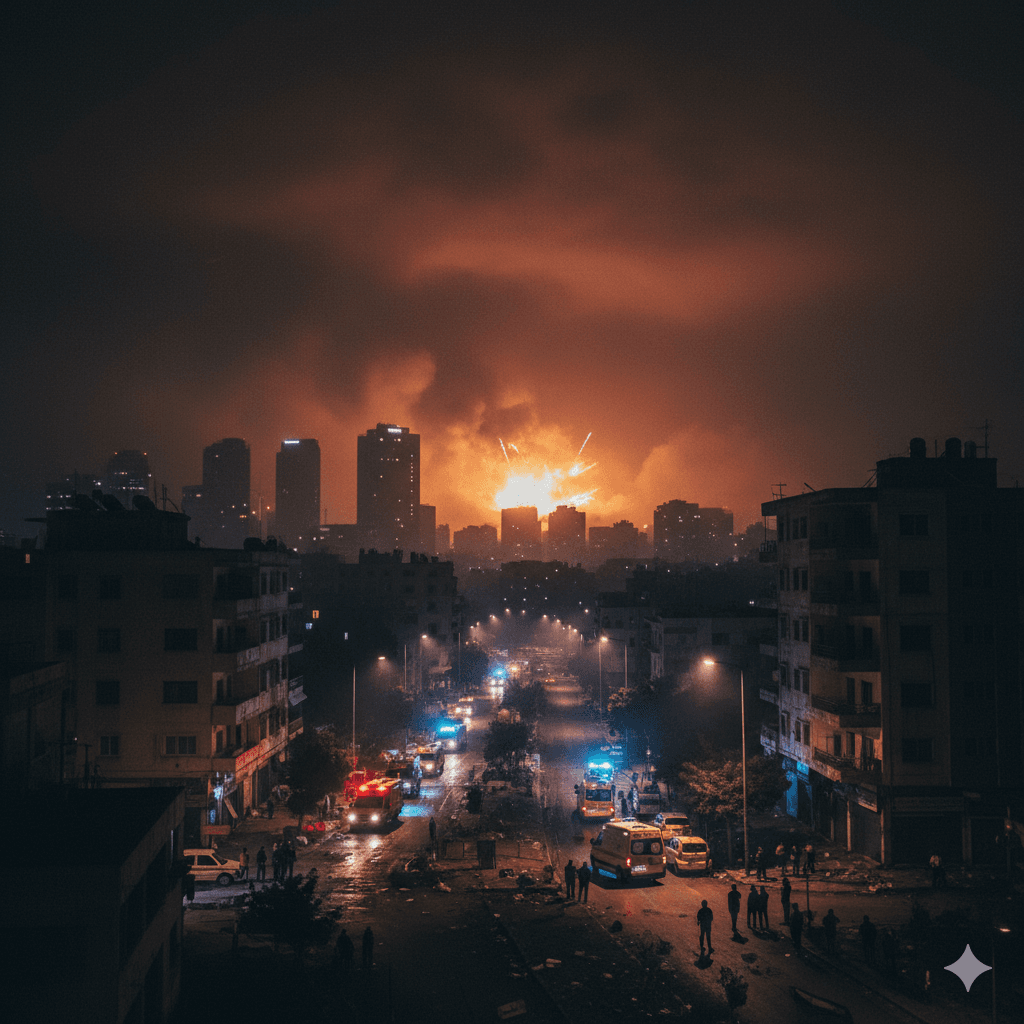
Behind each statistic is a person: a parent who won’t return home, a child who witnessed explosions too close for comfort, a neighbor trying to comfort someone in shock. In southern Beirut, residents reported shaking buildings and plumes of smoke rising over familiar neighborhoods. In Haifa and nearby towns, families were jolted awake by sirens and the distant thunder of interception systems working overtime.
One woman in Beirut described fleeing with her children as the sky lit up with tracer fire. “We packed what we could carry,” she said, voice trembling. “The children don’t understand why their toys are still by the door or why we can’t go back tonight.”
Political Promises and Human Costs
Leaders on all sides are issuing firm statements — talking about deterrence, self‑defense, and existential threats. Israel maintains its offensive is necessary to protect its northern border. Hezbollah frames its actions as resistance against aggression and solidarity with allied forces. Meanwhile, Lebanese officials — civilians and politicians alike — warn that continued escalation could drag Lebanon deeper into a war it has little control over.
But for the people living amid flashpoints like south Beirut, the Bekaa Valley, or northern Israeli towns, such political language doesn’t soften the fear in a child’s eyes, or bring back a young life cut short.
Looking Ahead: Fragile Peace or Broader Conflict?
Analysts and diplomats say this flare‑up could either be a brief cycle of violence or a tipping point that pulls in more actors across the region. That includes countries like Iran, Gulf states, and global powers with strategic interests in stability — or leverage.
At its heart, the region’s question remains hauntingly simple: how many more lives will be reshaped by blast craters, family separations, and interrupted dreams before peace — or at least a pause — takes hold?