
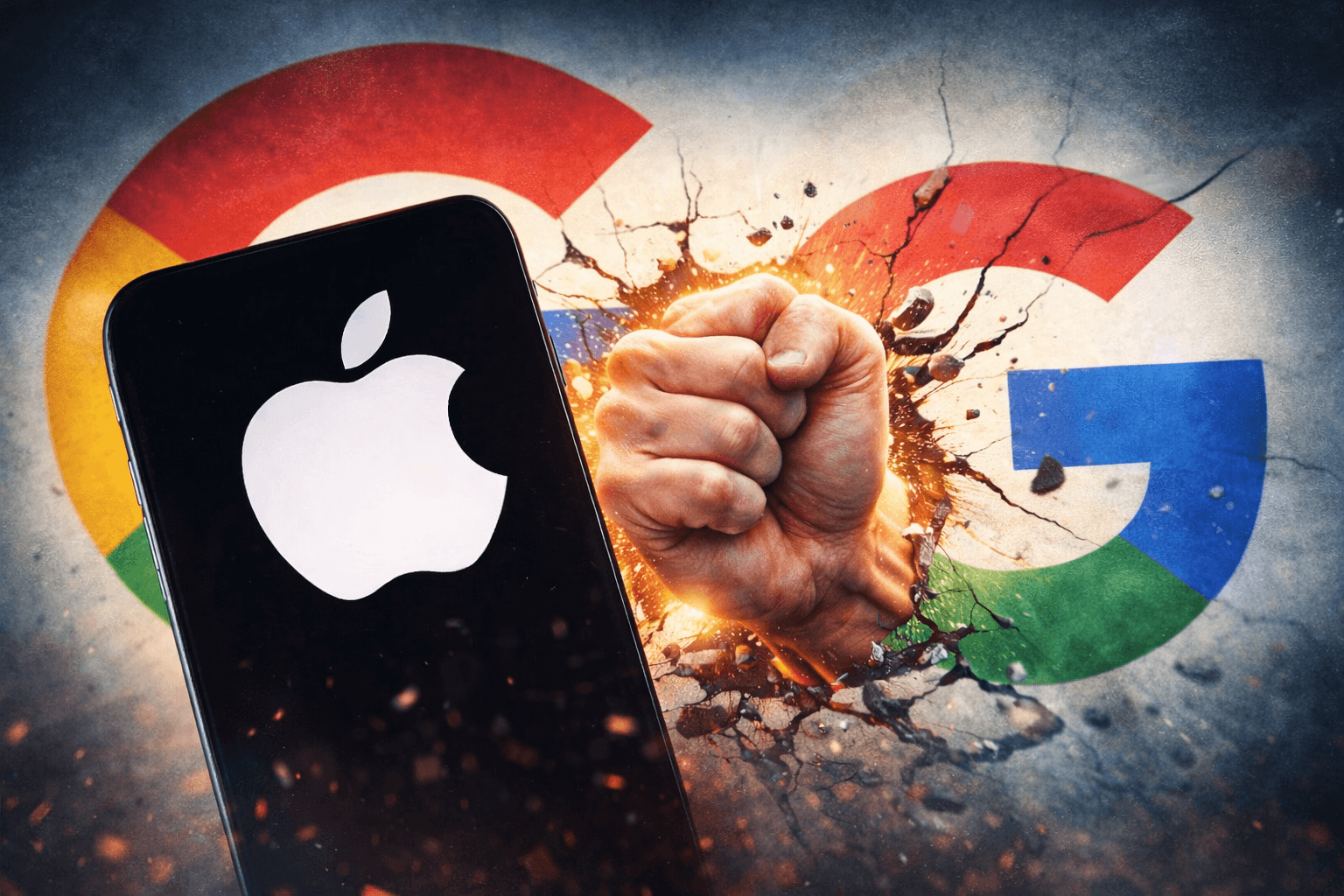
Duopoly Claim Shakes Tech Giants: Apple & Google to Revamp App Stores
Apple and Google have agreed to introduce significant changes to their app stores in the United Kingdom after the country’s competition watchdog raised concerns over their dominance in the digital marketplace.
The move follows an intervention by the Competition and Markets Authority (CMA), which previously stated that the two tech giants hold an “effective duopoly” over mobile app distribution in the UK. Together, Apple’s App Store and Google Play control how millions of users access apps and how developers reach customers.
What Changes Are Being Made?
According to the CMA, Apple and Google have committed to a number of measures aimed at improving fairness, transparency, and competition within their app stores. These include:
Not giving preferential treatment to their own apps over third-party developers’ apps
Being clearer and more transparent about how apps are reviewed and approved for sale
Ensuring data collected from third-party app developers is not used in an unfair or anti-competitive way
The regulator described these commitments as “important first steps” toward a more open and competitive app economy.
Why This Matters
Seven months ago, the CMA formally ruled that both Apple and Google’s app stores have “strategic market status.” This designation gives the regulator the power to demand changes if it believes competition or consumer choice is being harmed.
CMA chief executive Sarah Cardell said the agreements would help strengthen the UK’s app ecosystem and reflect the flexibility of the country’s digital competition framework.
She added that the regulator would closely monitor how the companies implement the changes and would not hesitate to enforce formal requirements if the commitments are ignored.
Reactions From Apple and Google
Both companies have welcomed the agreement.
Apple said it faces strong competition in every market it operates in and emphasized its focus on delivering the best products and user experience, while also engaging constructively with regulators.
Google stated that it believes its Play Store policies are already fair and transparent, but said it welcomes the opportunity to resolve the CMA’s concerns through collaboration.
Is This the End of the Road?
Not necessarily. Technology analysts have described the move as a pragmatic starting point rather than a final solution. Some critics argue that tougher action may still be required to fully address the power held by major digital platforms.
The CMA noted that the UK’s app economy is the largest in Europe, contributing around 1.5% to the country’s GDP and supporting approximately 400,000 jobs. With stakes this high, further scrutiny and regulation are likely.
Apple and Google have previously warned against overly strict rules similar to those introduced in the European Union, arguing they could harm innovation, privacy, and security.
What’s Next?
For now, the focus will be on how effectively Apple and Google follow through on their promises. The CMA has made it clear that these changes are just the beginning, and more measures could follow as it continues to push for greater competition and choice in the digital marketplace.
The outcome could set an important precedent for how major tech platforms
are regulated in the UK—and possibly beyond.