China’s AI Video Revolution Sends Shockwaves Through the Film Industry
The global entertainment industry has been shaken by the arrival of Seedance 2.0, a powerful new artificial intelligence video tool developed by Chinese tech giant ByteDance, the parent company of TikTok.
What makes this development so significant isn’t just the technology itself it’s what it could mean for the future of filmmaking, copyright law, and the global AI race.
What Is Seedance 2.0?
Seedance 2.0 is an advanced AI model capable of generating cinema-quality videos from simple text prompts. Unlike earlier AI tools that mainly produced short clips or silent visuals, Seedance integrates video, dialogue, and sound effects into one seamless system.
Industry experts say this is the first time an AI video model feels like it came straight out of a professional production pipeline.
The model has already gone viral online, with AI-generated clips featuring popular fictional characters such as Spider-Man and Deadpool. Some videos even show hyper-realistic celebrity simulations including viral clips of Will Smith in surreal cinematic scenes.
The realism and action choreography have surprised even seasoned filmmakers.
Hollywood’s Copyright Concerns
Major studios, including Disney and Paramount Pictures, quickly issued legal warnings, accusing ByteDance of copyright infringement.
The concern is straightforward:
If AI can generate videos using copyrighted characters, who owns the output? And was protected material used to train the system?
This debate isn’t new. In 2023, The New York Times sued OpenAI and Microsoft over alleged unauthorized use of its content for AI training. Similar concerns have been raised across the tech and media industries.
The challenge now is balancing innovation with intellectual property rights.
A Game-Changer for Small Studios
While Hollywood worries about control and copyright, smaller production houses see opportunity.
High-quality AI video tools could dramatically reduce production costs. Micro-dramas and short-form series often made on tight budgets could now explore ambitious genres like sci-fi, historical drama, or action without massive visual effects spending.
In simple terms, Seedance may democratize filmmaking.
Is China Racing Ahead in AI?
Seedance 2.0 also signals something bigger: China’s accelerating AI ambitions.
Last year, Chinese AI model DeepSeek stunned the tech world by becoming one of the most downloaded AI apps in the United States. Now, Seedance suggests Chinese firms are competing at the cutting edge of generative video.
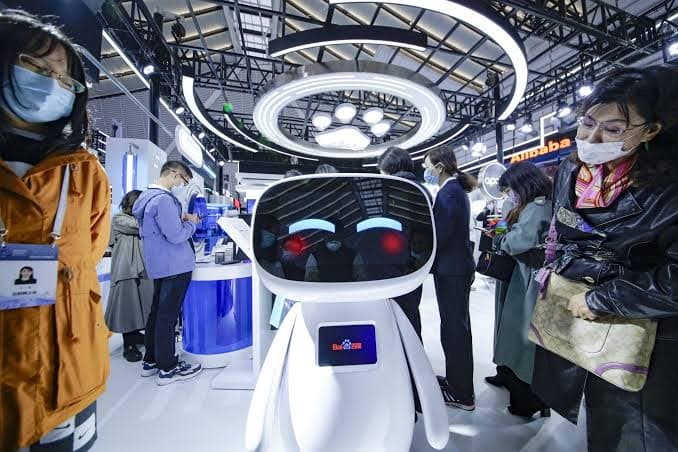
Beijing has made AI and advanced computing central to its economic strategy, investing heavily in chip manufacturing, robotics, and automation to compete with the United States.
Some analysts predict 2026 could mark a turning point for mass AI adoption in China not just chatbots, but AI agents handling business tasks, creative tools integrated into daily workflows, and video creation powered by generative systems.
The Bigger Question
Seedance 2.0 isn’t just about impressive AI videos. It raises deeper questions:
Will AI replace parts of Hollywood production?
How will copyright laws adapt?
Who controls digital likeness and intellectual property?
And which country will lead the next phase of AI innovation?
One thing is certain:
The line between human-made cinema and AI-generated content is fading faster than many expected.
Hollywood may be worried but the AI revolution is only just beginning.